
Cultural influences on gambling a global perspective
Understanding Gambling Through Cultural Lenses
Gambling, as a practice, is influenced significantly by cultural norms and values. In societies where gambling is considered taboo, such as some Middle Eastern countries, legal restrictions and social stigma greatly impact the gambling landscape. Conversely, in countries like Australia and the United Kingdom, gambling is more accepted, often viewed as a form of entertainment rather than vice. This acceptance is reflected in the prevalence of gaming establishments, including casinos and sports betting platforms, which are part of daily social life in these regions. Platforms like bangla-bet.net highlight the differences between these approaches, providing opportunities for engagement across various cultural contexts.

Cultural narratives surrounding luck and chance also shape how gambling is perceived. For example, in many Asian cultures, luck is intertwined with spirituality, which influences the types of games played and the rituals surrounding them. Chinese New Year, for instance, sees a surge in gambling activities as people seek good fortune for the year ahead. This cultural significance transforms gambling into a communal event, strengthening social bonds among participants.
Moreover, the globalization of gambling has led to a blending of cultural influences. Online platforms allow individuals from different backgrounds to engage in gambling in ways that reflect their cultural practices. This cross-cultural exchange not only impacts game development but also influences marketing strategies that cater to diverse audiences, showcasing how culture continues to play a pivotal role in the evolution of gambling practices worldwide.
The Role of Religion in Gambling Perspectives
Religion plays a crucial role in shaping societal attitudes toward gambling. In many faiths, gambling is viewed with skepticism or outright prohibition. For instance, Islam strictly forbids gambling, considering it a form of exploitation and a vice that diverts individuals from spiritual growth. As a result, Muslim-majority countries often enforce strict laws against gambling, leading to underground markets and illicit operations.
On the other hand, religions such as Hinduism and certain sects of Christianity exhibit more nuanced views. In Hindu culture, gambling is sometimes embraced during festivals, reflecting a complex relationship with the practice. Similarly, while some Christian denominations discourage gambling, others acknowledge it as a benign leisure activity. This diversity within religious perspectives affects the legal and social frameworks surrounding gambling in different regions, creating a mosaic of acceptance and rejection.
The intersection of religion and gambling also influences community behavior. In areas where gambling is permissible, religious institutions may offer guidance on responsible gaming practices. This can lead to initiatives aimed at educating players about the risks associated with gambling, balancing enjoyment with caution, and emphasizing the importance of making informed decisions.
Traditional Gambling vs. Modern Online Platforms
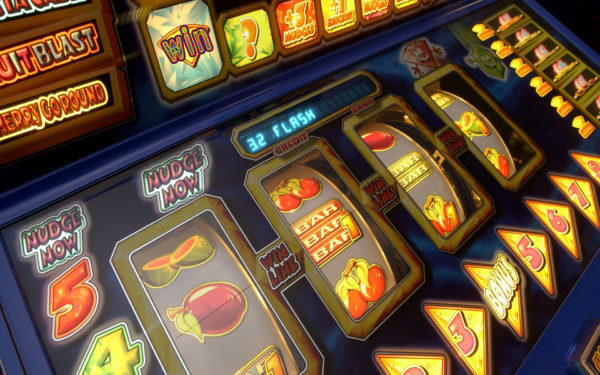
The advent of technology has dramatically transformed the gambling landscape, bridging the gap between traditional practices and modern online platforms. Traditional gambling, often characterized by physical establishments like casinos and betting shops, relies on face-to-face interactions and local cultures. These venues often reflect regional aesthetics and are designed to create immersive experiences, contributing to the social fabric of their respective communities.
In contrast, online gambling introduces convenience and accessibility, allowing users to engage in gaming from the comfort of their homes. This shift has changed how individuals perceive gambling, with many now considering online platforms as a viable alternative to traditional establishments. The vast array of games available online, coupled with attractive bonuses and promotions, has attracted a diverse demographic, including younger generations who may not have previously engaged in gambling.
However, the transition to online gambling has also sparked discussions about regulation and ethical practices. The anonymity and ease of access can lead to problems such as gambling addiction, prompting calls for responsible gaming measures. This evolution highlights the need for regulations that address the unique challenges posed by online environments while respecting cultural attitudes toward gambling.
The Impact of Social Norms and Economic Factors
Social norms significantly influence gambling behaviors and attitudes. In cultures where gambling is embedded in social activities, such as sporting events or community gatherings, it often becomes a collective experience. This communal aspect can bolster social cohesion, as families and friends come together to enjoy a shared pastime. On the other hand, in cultures where gambling is viewed negatively, individuals may feel isolated or judged for their participation, leading to hidden or underground gambling practices.
Economic factors also play a crucial role in shaping gambling trends. In regions with high disposable incomes, the gambling industry tends to flourish, with establishments investing in luxurious amenities to attract high rollers. In contrast, lower-income areas might see a rise in informal gambling settings as individuals seek alternative means of financial relief. Economic downturns can also trigger shifts in gambling habits, where people may gamble more as a desperate attempt to improve their financial situation.
Furthermore, the interaction between social norms and economic factors can lead to unique gambling ecosystems in different regions. For instance, in some Southeast Asian countries, the rise of online gambling has created a new social dynamic, as people connect through virtual platforms, breaking geographical and cultural barriers. Understanding these complex interrelations is essential for developing policies that promote responsible gambling while considering the cultural fabric of the communities involved.
Banglabet88: A Cultural Bridge in Online Gambling
Banglabet88 emerges as a prominent online casino and sports betting platform that caters to the unique cultural context of its users in Bangladesh. Launched in 2022, it offers a comprehensive array of over 2,000 games, ensuring that users have diverse choices reflecting both local traditions and global gaming trends. By integrating local payment methods and providing robust customer support, Banglabet88 demonstrates its commitment to offering a culturally aware gambling experience.
The platform also emphasizes user-friendly design, making it accessible for both novices and experienced players. This focus on ease of use promotes a more inclusive environment, allowing individuals from various backgrounds to engage with online gambling without feeling overwhelmed. Additionally, the attractive welcome bonuses are tailored to encourage participation while respecting the cultural nuances of responsible gaming.
In a global context, Banglabet88 stands as a testament to how online gambling can bridge cultural divides. By adapting its offerings to meet local preferences and fostering a safe and enjoyable experience, it contributes to the evolving narrative of gambling, where tradition and modernity intersect, reflecting the diverse influences that shape this global phenomenon.