
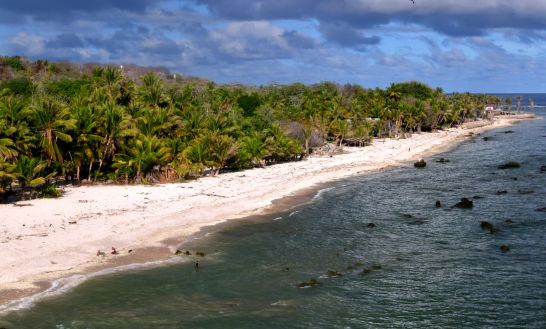
The Nauru Climate Resilience Fund Investment represents a crucial step towards creating a sustainable future for Nauru in the face of increasing climate challenges. As one of the smallest island nations in the world, Nauru faces unique vulnerabilities to climate change, including rising sea levels, extreme weather events, and ecosystem degradation. Establishing a climate resilience fund is essential for supporting mitigation and adaptation strategies that will safeguard the environment and improve the quality of life for its residents.
Understanding the Context: The Impact of Climate Change on Nauru
Nauru, located in the Central Pacific, spans only 21 square kilometers and has a population of around 10,000. Its geographical position makes it particularly susceptible to the effects of climate change. Rising sea levels threaten to inundate coastal areas, while changing weather patterns can lead to prolonged droughts or heavy rainfall, both of which can devastate agriculture and freshwater supplies. These challenges underscore the urgent need for strategic investments aimed at enhancing the country’s resilience.
The Role of the Climate Resilience Fund
The Nauru Climate Resilience Fund serves as a financial mechanism designed to support projects and initiatives that mitigate the impacts of climate change. This fund will prioritize investments in sustainable infrastructure, renewable energy, and conservation efforts that promote biodiversity and protect natural resources. By mobilizing resources effectively, the fund aims to empower local communities and foster economic development while safeguarding Nauru’s unique environmental heritage.
Key Areas of Investment
Several priority areas have been identified for investment under the Nauru Climate Resilience Fund, including:
1. Infrastructure Development
Investing in resilient infrastructure is critical for protecting Nauru’s communities from climate-related disasters. This includes enhancing drainage systems, building sea walls, and upgrading transportation networks. These improvements not only help in adapting to climate change but also improve the overall quality of life for residents.
2. Renewable Energy Initiatives
Transitioning to renewable energy sources such as solar and wind power is vital for reducing Nauru’s dependence on imported fossil fuels. The Climate Resilience Fund can facilitate projects aimed at increasing energy efficiency and promoting sustainable energy solutions. By doing so, Nauru can decrease its carbon footprint and enhance energy security.
3. Water Resource Management
Freshwater availability is a pressing issue for Nauru, especially with the increasing threat of droughts. Investments in rainwater harvesting systems, water purification technologies, and sustainable agricultural practices are essential. The fund can support projects that aim to improve water conservation and management, ensuring that residents have access to clean drinking water.
4. Environmental Conservation
Protecting biodiversity and natural ecosystems is a fundamental aspect of climate resilience. The fund can support initiatives focused on reforestation, protecting marine environments, and promoting sustainable land use practices. By investing in the health of ecosystems, Nauru can enhance its capacity to adapt to climate variability and foster economic opportunities through eco-tourism.
Community Engagement and Empowerment
For the Nauru Climate Resilience Fund to be effective, community engagement is paramount. Local stakeholders must be involved in the planning and implementation of projects to ensure that initiatives are aligned with the needs and priorities of the population. This includes training programs that educate residents on sustainable practices and the importance of climate resilience, fostering a sense of ownership and responsibility towards the environment.
International Collaboration and Support
Nauru cannot tackle climate change alone; therefore, international collaboration is essential. The Climate Resilience Fund should seek partnerships with other nations, international organizations, and non-governmental organizations (NGOs) to leverage technical expertise and financial resources. By collaborating on projects and sharing knowledge, Nauru can enhance its resilience efforts and create a network of support that strengthens regional climate initiatives.
Measuring Impact and Outcomes
To ensure the effectiveness of the investments made through the Climate Resilience Fund, it is crucial to establish clear metrics for measuring impact and outcomes. This includes tracking progress on infrastructure projects, assessing changes in energy consumption, and evaluating improvements in water quality. Regular reporting and analysis will provide insights into the effectiveness of investments and inform future decisions.
Conclusion: A Path Towards a Resilient Future
The establishment of the Nauru Climate Resilience Fund marks a significant step forward in the nation’s efforts to combat climate change. By investing in sustainable infrastructure, renewable energy, and community empowerment, Nauru can enhance its resilience and prepare for the challenges posed by a changing climate. Collaboration, transparency, and commitment will be crucial in ensuring that the investments made through the fund yield meaningful outcomes for future generations. As Nauru navigates this critical juncture, the dedication to building a sustainable and resilient future will inspire similar efforts across the globe.

Sorry, comments are closed for this post.